Service
Cooling System
At McNeil's Auto Care, we specialize in full-service cooling system diagnostics, repairs, and maintenance for all makes and models.
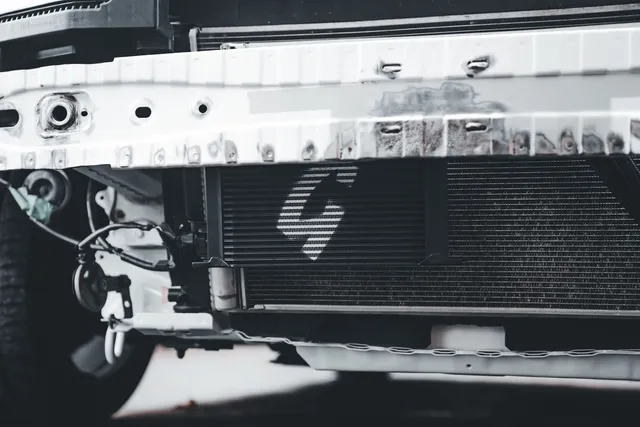
At McNeil's Auto Care, we specialize in full-service cooling system diagnostics, repairs, and maintenance for all makes and models. With two convenient locations in Sandy and Riverton, we’re your trusted auto care provider across the greater Salt Lake County area.
Your vehicle’s cooling system is responsible for keeping the engine at a safe operating temperature. It prevents the engine from overheating, and it helps maintain engine efficiency in cooler months.
Key components of your vehicle’s cooling system include the radiator, water pump, thermostat, coolant/antifreeze, and heater core. When any of these components fail, your engine is at risk for serious damage, including cracked cylinder heads or a blown head gasket.
When you bring your vehicle to any McNeil's Auto Care location, our trained experts will perform an in-depth inspection with documented photos and check for leaks, blockages, or failing components. Depending on what we find, we may recommend:
We work on all makes and models, including hybrids, electric vehicles, 4WD/AWD systems, and fleet vehicles. Our facilities source high-quality parts, enabling us to provide a dealer-level experience. All qualified cooling system repairs are covered by a generous NAPA warranty.
Most manufacturers recommend flushing the coolant every 30,000 to 50,000 miles, or every 3, 5 years, as a preventative measure. Our team can assist with coolant flushes and any other fluid maintenance your automobile may need.
Don’t wait until your engine overheats, let the experts at McNeil's Auto Care help. Please do not hesitate to call or schedule your cooling system service today at our Sandy or Riverton location.
Questions
Cooling System, answered
- How often should coolant be flushed?
- Most manufacturers recommend flushing the coolant every 30,000 to 50,000 miles, or every three to five years, as preventative maintenance. Coolant does not simply run out, it degrades and loses its corrosion inhibitors, so the interval matters even on a vehicle that is not losing any fluid.
- What are the signs of a cooling system problem?
- Watch for a temperature gauge climbing higher than usual, coolant pooling under the vehicle, a sweet smell, steam from under the hood, or a heater that blows cold. Any of these is worth checking quickly, because overheating can crack cylinder heads and warp engine components.
- What parts make up my vehicle's cooling system?
- The main components are the radiator, water pump, thermostat, coolant hoses, and the heater core that warms the cabin. Coolant circulates through all of them to hold the engine at a safe operating temperature. When any one fails, the engine is at risk of serious damage.
- Can I just top up the coolant myself?
- Topping up gets you home, but coolant that keeps disappearing is leaking somewhere, and repeated topping up hides that. Our technicians pressure test the system to find the leak, inspect the radiator, pump and hoses, and show you documented photos of what they found before recommending work.
- How much does a coolant flush cost?
- Cost depends on how much coolant your system holds and which specification it requires, as modern vehicles use several incompatible types. If the flush is being done because of a leak, that repair is priced separately. We confirm both before starting any work.
Qualifying repairs are covered nationwide
McNeil’s is a NAPA Gold certified shop with ASE certified technicians, and qualifying work carries a 36 month, 36,000 mile warranty honored at participating NAPA AutoCare shops across the country rather than only here.